

Table of Contents
ToggleNevada State Window Tint Laws: 2026 Guide to Legal Limits
- Nevada Tint Limits (VLT)
- Medical Exemption Guide
At-A-Glance: Nevada Tint Laws
- Front Side Windows: 35% VLT.
- Rear Side & Back Windows: Any Darkness.
- Windshield: AS-1 Line Only (Non-reflective).
| Window Location | Legal Limit (VLT) | Key Regulation |
|---|---|---|
| Windshield | AS-1 Line Only | Non-reflective tint only |
| Front Side | 35% VLT | Must allow >35% light |
| Rear Side & Back | Any Darkness | Dual side mirrors required |
Does Vehicle Type Affect Nevada Tint Laws?
Passenger Cars (Sedans/Coupes): Legal tint in Nevada is 35% VLT limit on front side windows.
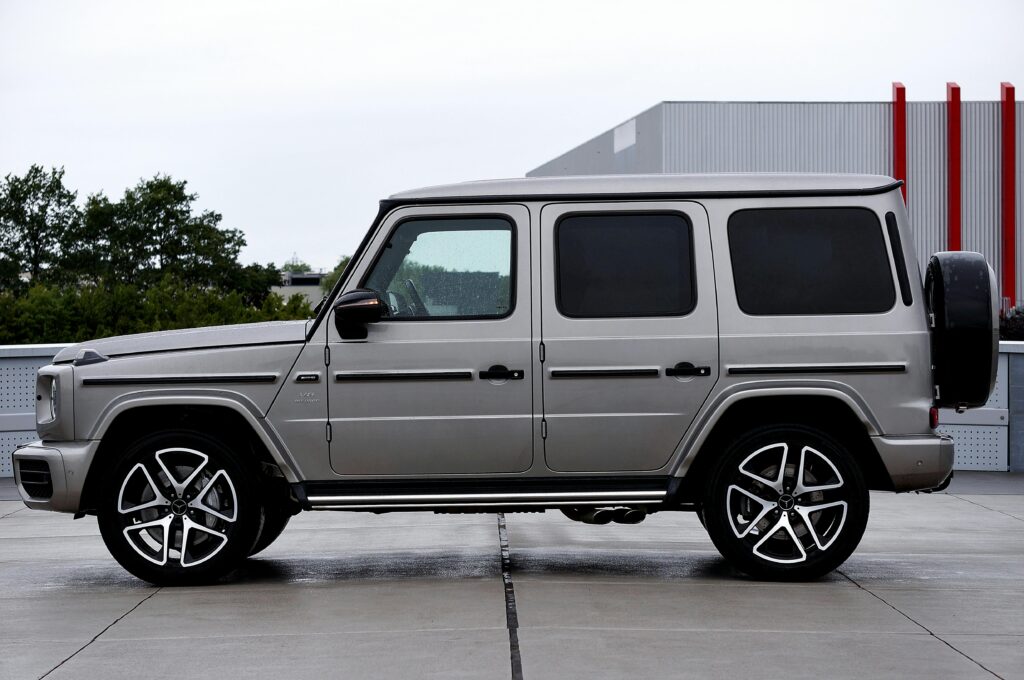
Commercial & Multi-Purpose Vehicles (MPVs): Nevada Legal Window Tint Laws in Nevada for trucks, SUVs, and vans, the front side legal tint in Nevada window tint limit remains 35% VLT. However, these vehicles often have factory-installed “privacy glass” on the rear sections which is legally exempt from darkness limits, provided the vehicle has functional side mirrors.
Ride-Share Drivers: If you drive for Uber or Lyft in Las Vegas, staying compliant with the 35% Legal Tint in Nevada for the front window rule is critical to passing vehicle inspections and avoiding passenger complaints regarding visibility.
Window Tint Laws in Nevada Explained.
Legal Visible Light Transmission (VLT) for Front Side Windows
If you are looking for the legal tint in Nevada, it is important to understand that state law (NRS 484D.415) strictly mandates specific Visible Light Transmission (VLT) levels for every vehicle on the road.
Legal VLT for Back Side and Rear Windows
Nevada tint laws are more flexible regarding your vehicle’s back section. For the back side windows and the rear window (back glass), there is no specific VLT limit imposed by the state. You can legally use any darkness of film, including limo tint, provided the vehicle has both a left and right outside rearview mirror. Our professional installation team can help you choose a shade that balances privacy with safe visibility to keep you in compliance of Nevada Tint Laws.
Windshield Tint Strip Rules: The AS-1 Line Placement
| The Nevada Tint Law for a window tint strip, allows tint to be applied to the top portion of the windshield above the manufacturer’s AS-1 line. If the AS-1 line is not marked on your windshield, the tint strip must not extend more than 5 inches down from the AS-1 line. We specialize in precision-cutting and applying high-performance UV protection film to this area for maximum sun glare reduction while maintaining legal compliance for Window Tint Laws in Nevada. |
Are Colored or Reflective Tints Legal in Nevada?
The Nevada Tint Laws have specific restrictions on the color and finish of film. Tints that are red or amber are strictly prohibited on any vehicle window due to safety concerns. Reflective or mirror-like tinting is permitted, but the film cannot be excessively reflective. Our team ensures that any metallic or mirrored films we install remain within the state’s legal reflectivity limits to keep you compliant with Nevada Tint Laws.
Required Tint Stickers and Certifications
To comply with Nevada Tint Laws, manufacturers must certify the film they sell in the state. While a specific sticker on the window is not currently required, our certified auto tint shop always uses approved film, guaranteeing it meets the necessary standards. We ensure you receive the proper documentation to prove compliance with Window Tint Laws in Nevada should you ever be questioned.
Penalties and Fines for Illegal Window Tinting
Driving with tint that violates the Nevada Tint Laws can result in a traffic citation in Las Vegas. The penalty is typically a non-moving violation, often resulting in a fine of around $100 [1.1]. Drivers are usually required to remove the illegal tint and provide proof that the vehicle has been fixed to comply with the law. Trusting a professional installer ensures you avoid the penalties associated with breaking the Window Tint Laws in Nevada.
How to Legally Get a Medical Tint Exemption in Nevada.
Consult Your Physician: You must have a medical condition (like Lupus, Melanoma, or Photosensitivity) that requires protection from sunlight.
Download Form DO-200: This is the official Nevada Window Tint Exemption Application.
Physician Certification: Your doctor must complete Section 2 of the form, specifying the recommended VLT (usually no lower than 20%).
Submit to DPS: Mail the completed application to the Nevada Highway Patrol, Department of Public Safety in Carson City.
Keep Documentation in Your Car: Once approved, you must carry the signed certificate in your vehicle at all times to avoid citations.
How is Window Tint Measured in Nevada?
The Tint Meter Test:
Nevada Highway Patrol and Las Vegas Metro officers use calibrated electronic tint meters during traffic stops or inspections. These devices slide over the window and measure the exact Visible Light Transmission (VLT) by passing a beam of light through the glass testing for the darkest legal window tint.
The 7% Variance Rule:
It is important to note that many officers allow for a small 7% variance to account for factory glass tinting and meter calibration. This means a 35% VLT film might read slightly lower, but a professional installation at Time 2 Tint ensures you stay within the legal safe zone adhering to the Nevada Legal Window Tint Law.
Roadside Inspections:
When checking for legal tint in Nevada, officers use meters to ensure the VLT matches state requirements. If your tint appears excessively dark or reflective (mirrored), you may be pulled over specifically for a tint check accordingly to Nevada Tint Laws.
Medical Exemptions for Darker Window Tint
Nevada tint laws in Nevada provides specific rules for darker tint if you have a doctor’s note. Medical exemptions are available for conditions like severe photosensitivity or lupus, where standard tint is insufficient. To obtain a medical exemption, you must have a prescription signed by a licensed physician for going beyond the darkest legal window tint and apply to the Nevada DMV. We are experts in legally applying darker, high-performance film that meets the state’s medical exemption requirements.
Comparing Nevada Tint Laws to Neighboring States
If you frequently travel outside of Nevada, it is important to know the difference in the darkest legal window tint laws. Nevada’s 35% VLT for front windows is often more restrictive than the window tint regulations in neighboring states. Law enforcement typically enforces the regulations of the state where the vehicle is registered, but always confirm your compliance if you purchase a vehicle or move from California or Utah [1.1].
The Nevada Revised Statute (NRS 484D.415) Explained
This specific Nevada Revised Statute (NRS 484D.415) is the exact code that governs all vehicle tinting in the state [1.3]. We ensure every installation we perform is checked against this specific statute to guarantee our customers are 100% compliant. Rely on us for expert knowledge of the state’s vehicle code before you tint, ensuring you meet all legal requirements.
Prohibited Features: What Makes Tint Illegal in Nevada?
Illegal Colors: Nevada Tint Laws states that any Red or Amber are strictly prohibited. These colors are reserved for emergency and service vehicles; using them on a passenger car is an immediate cause for a citation.
Mirror & Reflective Limits: Nevada Legal Window Tint says on reflectivity is allowed to reject heat but cannot be “excessive.” Specifically, the film cannot be more reflective than a standard window, as mirrored finishes can create hazardous glare for other Las Vegas drivers. We keep Las Vegas drivers compliant adhering to Nevada legal window tint laws in Nevada.
Headlight/Taillight Tinting: Nevada law requires headlights to be white/yellow and taillights to be red. Applying dark “smoke” films to these covers is illegal and often enforced strictly in metro areas.
Certified Nevada Tint Compliance
We use only professional-grade, certified films that meet or exceed Nevada Revised Statute (NRS 484D.415) requirements. Every installation comes with a 100% legal compliance guarantee for Las Vegas drivers.
Is Black Tint Legal in Las Vegas?
Yes, black tint is legal in Las Vegas, but only up to a certain darkness on the front windows. The key restriction is not the color, but the Visible Light Transmission (VLT), which must be 35% or lighter on your front side windows. We offer several high-performance black films, including carbon and ceramic, that meet the state’s darkest legal tint in Nevada.
Tinting Your Headlights or Taillights (Separate Regulations)
You cannot legally apply a dark film, smoke spray, or vinyl tint that changes the color or reduces the brightness of your headlights or taillights in Nevada. Headlights must emit white or yellow light, and taillights must be red. Any modification that interferes with the required light output or color is considered unlawful, so we advise against tinting headlights or taillights for street-legal vehicles.
Compliance Guarantee: Why Use a Certified Window Tint Installer in Las Vegas
| The most effective way to guarantee compliance with all Nevada tint laws is to use a certified installer. Nevada tint law currently allows a 7% VLT variance, meaning your front windows could test as low as 28% VLT and still be considered legal [2.6]. Our professional installation team uses only certified window film and understands this VLT variance, eliminating your risk of fines and ensuring your vehicle is 100% legal. |
Legal Limits for SUVs, Trucks, and Vans
Nevada tint laws are primarily based on the window location, not the vehicle type. This means the rules for SUVs, trucks, and vans are exactly the same as they are for sedans.
Front Side Windows: Must allow at least 35% VLT (Visible Light Transmission) or more light to pass through. This limit is the same for the driver and front passenger windows of all vehicle types.
Rear Side Windows and Back Window: You can use any darkness of tint, including 5% VLT limo tint, on the rear side windows and the back window.
Important Note: If your back window is tinted, dual side mirrors are required by law. Our certified installation team ensures your vehicle meets all Nevada tint regulations regardless of its size.
VLT Explained: How Police Measure Tint
Visible Light Transmission (VLT) is the percentage of light that passes through your vehicle’s window and tint combination. The lower the VLT percentage, the darker the tint.
How it’s Measured: Law enforcement uses a specialized device called a tint meter. These meters are clipped onto the side window glass and shine a beam of light through the window to an optical sensor. The reading displayed is the precise VLT percentage.
Why Accuracy Matters: Even though Nevada tint laws allow a 7% VLT variance (meaning your 35% VLT front windows could legally test as low as 28%), an accurate check is essential. Our certified window film installers use calibrated meters to guarantee your final VLT is within the legal range before you leave the shop.
Reflectivity Limits and Prohibited Tint Colors
Banned Tint Colors: Nevada state law explicitly prohibits the use of red or amber (yellow-orange) window tint on any vehicle window. These colors are restricted to prevent confusion with emergency vehicle lights and traffic signals.
Reflectivity: While metallic or mirrored tints are generally permitted, there are restrictions to prevent them from causing hazardous glare.
Front Windshield: Must use non-reflective tint above the AS-1 line.
Side/Rear Windows: The law requires tint to be non-reflective or not more reflective than standard windows (Source 1.1). Some sources suggest a maximum of 35% reflective tint, darkest legal tint in Nevada, is allowed (Source 1.9), but it is best to use a professional installer to ensure compliance and avoid excessive glare that could attract a citation.
Compliance: Our certified window film options are guaranteed to comply with all Nevada tint laws, offering high heat rejection without violating the color or reflectivity rules.